A process built for
products that shipFour phases, from first conversation to a live product you can maintain. You always know what happens next and who's doing it.

Most projects don't fail
at the codeThey fail at unclear requirements, late decisions and feedback that arrives after the work is done. We front-load the thinking so the build stays predictable.
-
Decisions before code
Every phase ends with something written down and agreed. Nothing moves forward on assumptions.
-
You see progress weekly
Working software, design files or staging links. You review the real thing, not a summary of it.
-
One team, start to finish
The people who scope your project are the people who build it. No handoff to a different team after signing.
How a project runs
Four phases, each with a clear output and a clear point where you weigh in.
- Typical length: 1 week
Discovery & scope
Agree on what we're building before we build it
We start with the problem and the business behind it. You walk us through your users, your constraints and what success looks like. We turn that into a scope we can both hold each other to.

What you get
- A written scope with features, exclusions and priorities
- Technical approach and stack recommendation
- Timeline and milestones for delivery
- A quote based on the agreed scope
What we need from you
- One or two calls to walk us through the product idea
- Access to any existing research, analytics or competitor notes
- One person who can make final calls on scope
- Typical length: 2 to 3 weeks
Design & prototyping
Test the product in Figma before we write code
We design the flows first, then the screens. You get a clickable prototype to put in front of real users, so the expensive changes happen in Figma instead of in production.
What you get
- User flows and wireframes for every core journey
- High-fidelity screens for all key states
- A clickable prototype you can test with users
- A design system with components, type scale, colours and spacing
What we need from you
- Brand assets, or a call on visual direction if you don't have any
- Feedback on each round within a few working days
- Sign-off on the prototype before development starts
- Typical length: 4 to 12 weeks
Development & testing
Built in sprints, tested as we go
Development runs in sprints, with a staging environment you can open any time. Testing happens inside each feature as it lands, from unit tests to QA across devices and edge cases. There's no big test phase at the end.

What you get
- Working features on a staging URL, updated every sprint
- Sprint demos and written progress notes
- QA across browsers, devices and screen sizes
- Clean, documented code in your repository
What we need from you
- A short review at the end of each sprint
- Quick answers on product decisions that come up mid-build
- Access to any third-party accounts or APIs we need
- Typical length: 1 week + 3 months support
Deployment & maintenance
Launch it, then keep it stable
We handle deployment setup, monitoring and the launch itself. The first three months of support are included, so you're not on your own the week real users show up.

What you get
- Production setup, deployment pipeline and monitoring
- App store submission and approval handling for mobile projects
- Handover docs and a walkthrough for your team
- Three months of support for bugs and small changes
What we need from you
- Domain, hosting or store account access
- A go-live date you're ready for
- One point of contact for post-launch requests
Constant across all
four phasesWhichever phase we're in, these parts of the process don't change.
-
Weekly updates
A short written update every week, plus a call when you want one. You always know where things stand.
-
Direct access
A shared channel with the people building your product. No account manager in between.
-
You own everything
Code, designs, accounts and documentation are yours from day one, contractually assigned.
-
Scope changes, handled openly
New requirements get priced and scheduled before work starts. Never a surprise on the invoice.
You don't always
need all fourMost clients run the full process. Some arrive with work already done, and we pick it up from there.
- Starts at · Development & testing
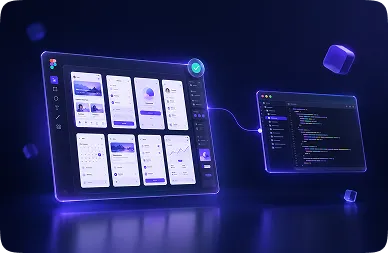
You have validated designs
After a short design review to check they're build-ready, we start building.
- Starts at · Deployment
The product is already built
We check that every part works as intended, then take it live.
- Starts at · Maintenance
You're already live
We take over monitoring, gather user feedback and keep performance where it should be.
What clients say
Real feedback from the founders and teams we have built for.

 ★★★★★
Their dedication, responsiveness, and collaborative spirit make them a truly reliable and trusted team. CifarX has helped LakLak raise $2 million in funding and achieve over 50,000 app downloads and a 56% increase in user engagement. The team is professional, communicative, and flexible with changes. They are proactive, innovative, and responsive. Their work is high-quality and timely.
Iftikhor Yusufi
Founder & CEO @ LakLak

 ★★★★★
They listened carefully to my needs, adapted quickly when changes were required, and communicated clearly. CifarX successfully launched a high-quality app on Google Play and the App Store, resulting in positive user adoption and engagement. The team managed the project efficiently, delivering on time and communicating clearly throughout. They were also transparent, reliable, and cost-efficient.
Saliur Rahman Sakib
CTO @ HulkenStein Ltd

 ★★★★★
They are an energetic, ambitious, and dedicated young team who truly impressed me. CifarX has successfully delivered a website that has improved the client's online presence, branding, SEO visibility, and user engagement. The team has been energetic, dedicated, and responsive to the client's needs. They have also taken the time to understand the client's business requirements.
Abdullah Md Shad
Head of Accounts & Finance @ KR Ship Recycling Yard

 ★★★★★
That level of commitment and heart is rare — and it made all the difference. CifarX delivered a fully functional platform that achieved 100% real-time synchronization, improved stock accuracy by over 90%, and maintained 99.9% uptime. Overall, the team managed the project effectively, was highly responsive to feedback, and showed genuine care and commitment to the project.
Shohrukh Jalolov
Founder @ Savdo


They are the best in what they do and Excellence in delivering what you want, and Professional in developing websites, they will guide you even if you don't know anything in digital marketing and more about your business, they will go beyond and make sure you received excellence service, please I recommend toward them and you'll never regret your time and money you spend to this team.
Amani Karisa Amaaniiv
Founder @ Karmove

I worked with CifarX over the past few weeks to build our website from scratch. My highest appreciation for their patience and professionalism. They were very thorough, beyond patient, and always made even the slightest revisions I wanted to try until I felt it was perfect. The communication was great, no nonsense and straight to the point, very efficient! I am very happy with the result and more jobs are already planned and in the pipeline for them.
J. Walther
Mauritius
Frequently asked questions
Everything you need to know before starting a project.


With a discovery call to understand your goals, users and business. Then we write a scope covering features, design direction, timeline and deliverables, and you approve it before anything else starts.
Figma for design and prototyping. For development we choose the stack per project, based on what fits your product. The full list is on our services pages.
Yes, and we ask for it. Every phase has a review point, and during development you get a staging link updated every sprint. Feedback lands while it's still cheap to act on.
Yes. If you already have validated designs, a built product or a live app, we start at the matching phase after a short review of what exists.
The first three months of support are included, covering bugs and small changes. After that you can move to a monthly maintenance plan or take the product in-house with our handover docs.
Let's build something
worth showing.From first idea to launched product, we cover design, development and everything in between. Tell us what you're building.
Or send us an email > contact@cifarx.com